
Research focus
Reconstruction of native tissue complexity
Natural tissues are highly organized structures and difficult to mimic. Recreating their complexity is crucial for tissue engineering.
The clinical challenge
As life expectancy and physical activity increase, so does the number of musculoskeletal injuries requiring medical intervention. Hard–soft tissue interfaces—such as bone–tendon, bone–ligament and bone–cartilage junctions—are major sites of rupture and long-term degeneration.
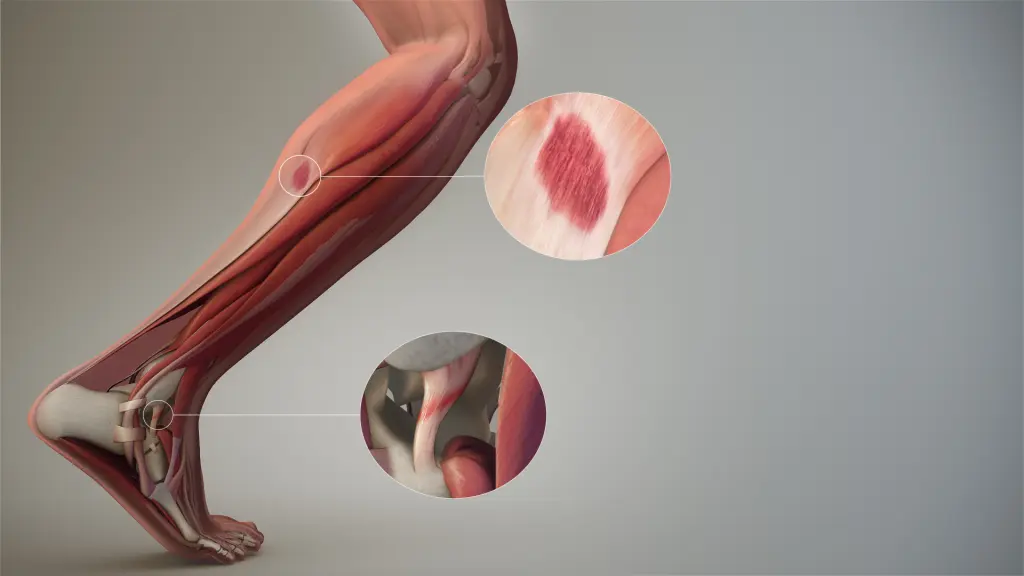
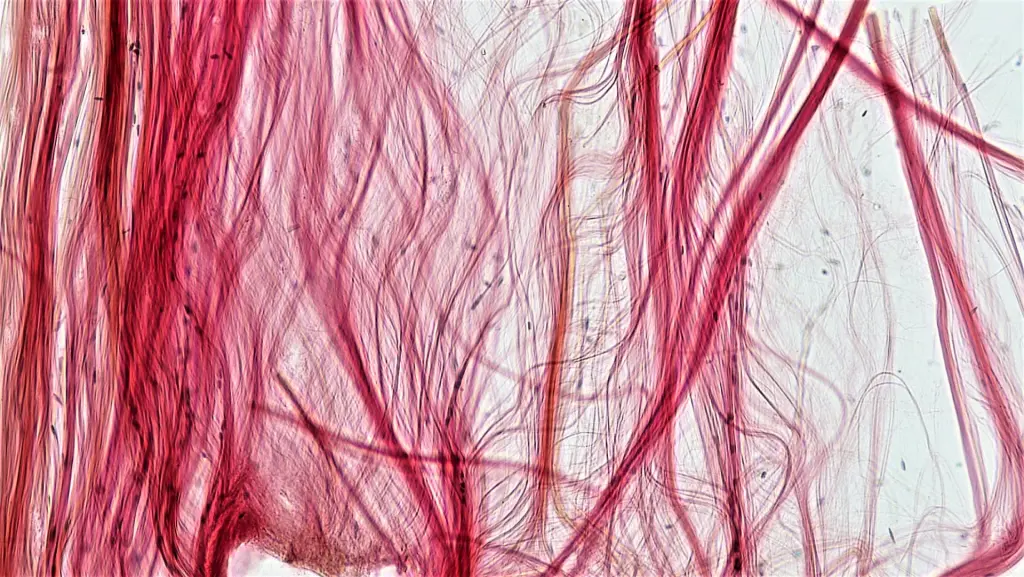
Mimicking native gradients
Interfacial tissues have complex architectures with gradual transitions in mechanical and chemical properties. Regeneration of these highly organized structures remains difficult, yet closely reproducing their multifactorial environment is critical for regenerative medicine.
Precision through biofabrication
To address the need for treatments with high therapeutic potential, we use extrusion bioprinting and melt electrowriting to construct close mimics of native tissues.
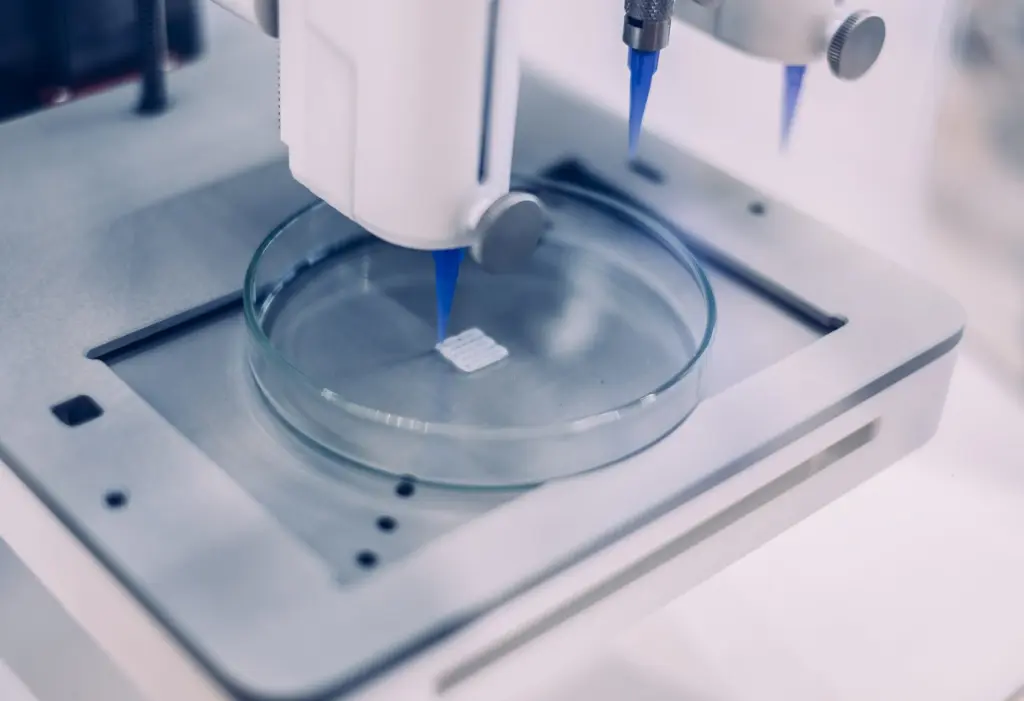
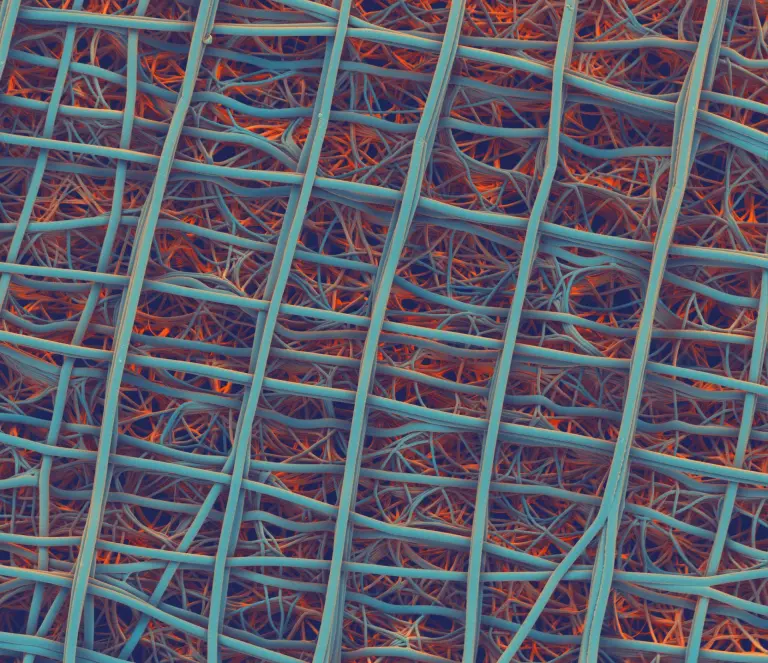
Bio-instructive scaffolds
Our aim is to build hierarchical scaffolds that closely resemble native tissue structures and provide bio-instructive cues that direct cell behaviour. We currently focus on hard–soft interfaces while also studying other tissue types.
Take-home message
The unprecedented precision of material deposition makes biofabrication a highly promising approach for constructing bio-instructive scaffolds that reproduce the organization of native tissues.

Our mission
From tissue models to patient-specific implants
We develop scaffolds for regeneration and in-vitro models of different tissue types. Our long-term goal is to produce patient-specific implants for hard–soft tissue interfaces and help create reliable, more affordable alternatives to current treatments.
Adapted from the group’s original ArcGIS StoryMap. Image credits remain available in the source story.