

Biofabrication · Bio-instructive materials · MEW / Melt electrowriting
Engineering complex tissues
Włodarczyk-Biegun Group. We design advanced biomaterials and 3D tissue models that bring regenerative medicine closer to the complexity of living systems.
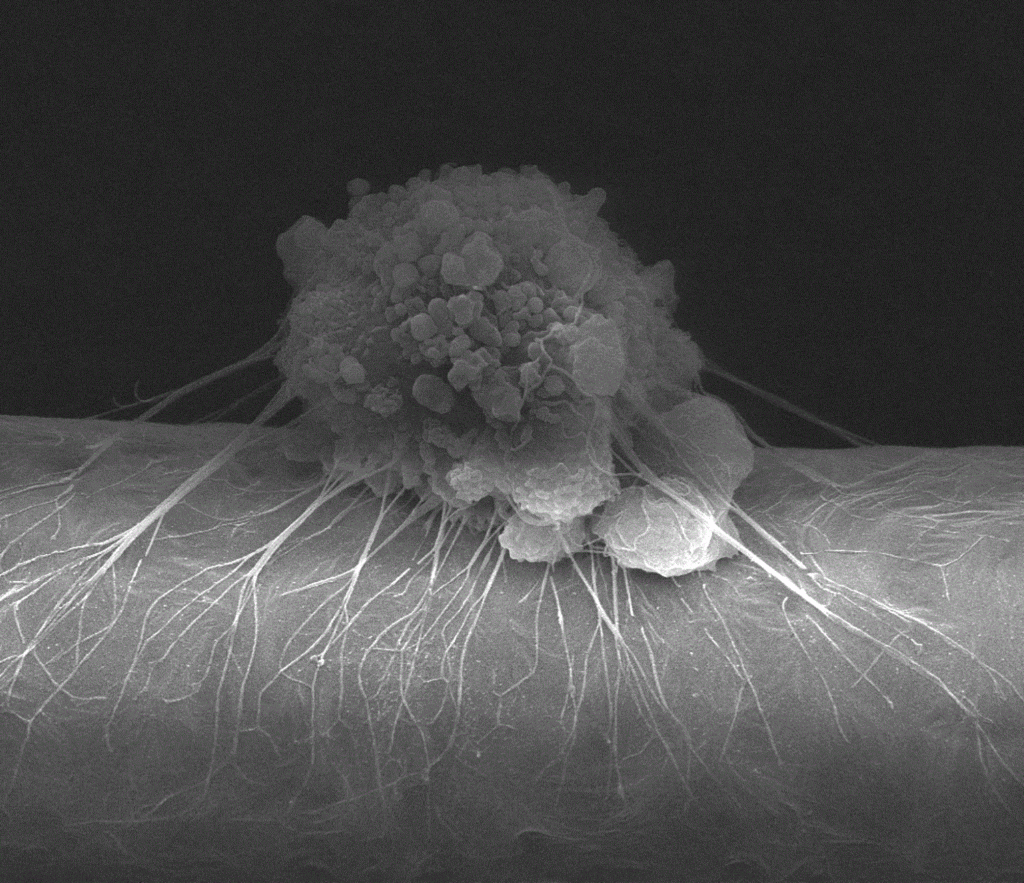
Our approach
Building better models of native tissues.
Natural tissues combine biological, chemical and mechanical cues across intricate microarchitectures. We recreate these environments through extrusion bioprinting, melt electrowriting and bio-instructive materials.
Our goal is to develop more relevant in vitro models for regenerative medicine, toxicity studies and drug testing—helping science move toward more predictive and animal-free methods.
Research directions
From materials to living systems.
Three complementary research directions connect precision manufacturing, responsive materials and biologically meaningful tissue models.


Bio-instructive materials
Materials designed to actively communicate with cells and shape their behaviour.
Selected work
Research in progress.
Explore current projects spanning interface tissues, osteoporosis models and advanced scaffold manufacturing.
-
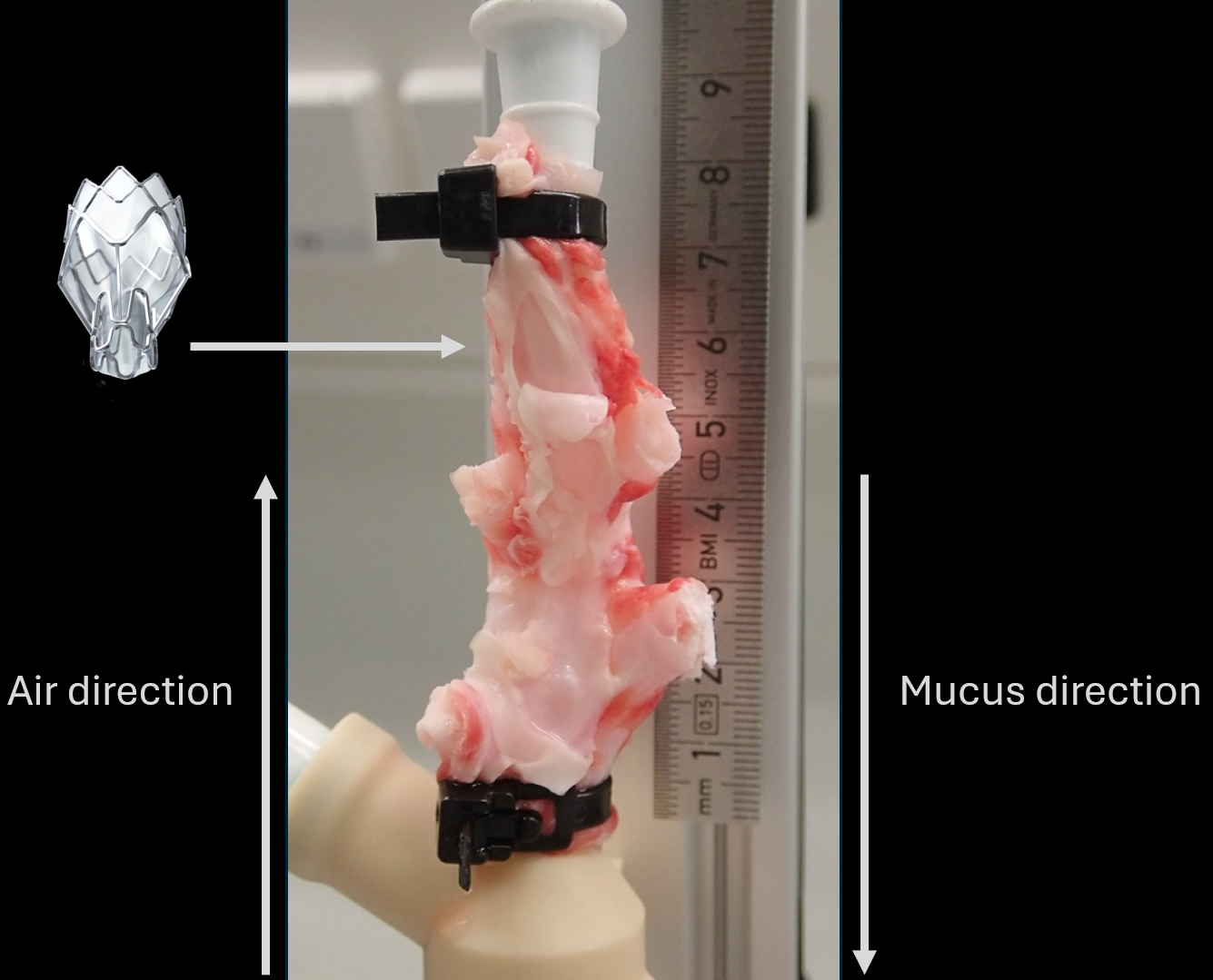
Developing the next generation of endobronchial valves: Identifying the optimal design for one-way air flow and decreased immune response
View project →: Developing the next generation of endobronchial valves: Identifying the optimal design for one-way air flow and decreased immune responseThis project aims to design the next generation of endobronchial valves by integrating computational modeling, experimental validation, and advanced 3D printing technologies, with a focus on mechanical performance, biocompatibility, and functional enhancement for clinical application. The newly developed valve should have superior properties compared to currently used valves, which often induce clinical problems such as…
-
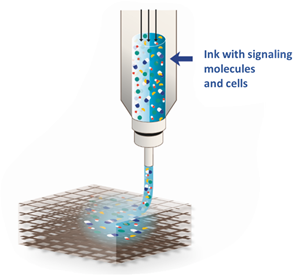
Hydrogel Delivery Systems for the Treatment of Post-Operative Glioblastoma
View project →: Hydrogel Delivery Systems for the Treatment of Post-Operative GlioblastomaGlioblastoma is an aggressive and incurable type of brain tumor diagnosed to 250.000 patients worldwide. Although a humongous quantity of research and technologies have been tested to fight against this deadly disease, nothing has considerably changed in the last decades, where 90% of the patients face tumor relapse after complex neurosurgery. With our project, we…
-
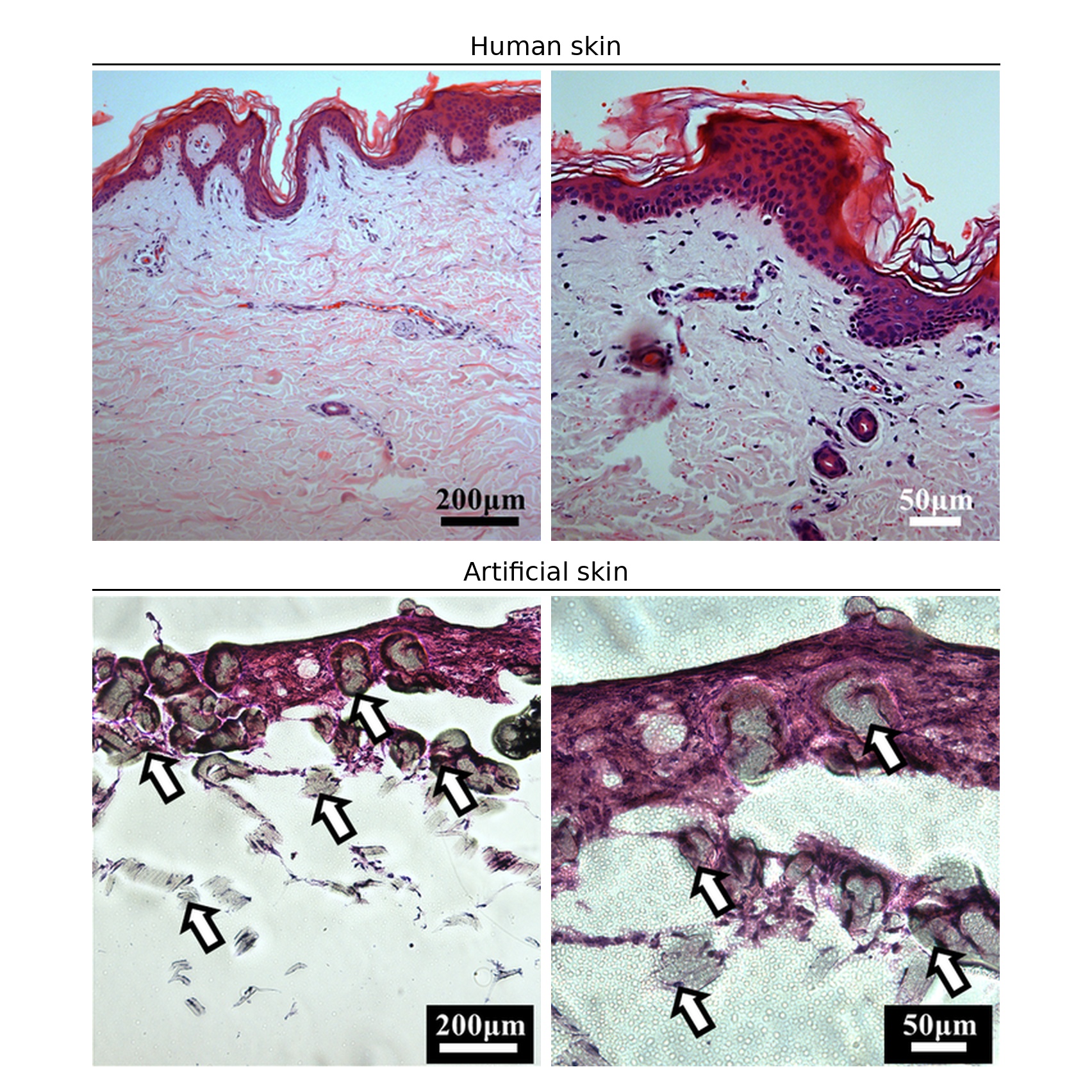
INNOSkin – Bioprinted Vascularized Three-Layer Skin Models as Advanced In Vitro Testing Platforms
View project →: INNOSkin – Bioprinted Vascularized Three-Layer Skin Models as Advanced In Vitro Testing PlatformsProject tasks The project will focus on the development of new materials for fused polymer printing as well as hydrogel materials for volumetric bioprinting. A novel volumetric bioprinting method will be designed with particular emphasis on cell viability in the presence of MEW (Melt Electrospinning Writing) meshes. Perfusion systems will be created, and microchips will…


Latest output
New knowledge, shared.
Recent peer-reviewed work from our interdisciplinary collaborations.
-
Chemically-induced Jamming and 3D printing of Granular Hydrogels: Microgels as Reservoirs of Volume
Read publication →: Chemically-induced Jamming and 3D printing of Granular Hydrogels: Microgels as Reservoirs of Volume -
Degree of deacetylation governs gelation mechanism, rheology and 3D printability of chitosan ionogels
Read publication →: Degree of deacetylation governs gelation mechanism, rheology and 3D printability of chitosan ionogels -
Gradient in Motion: Mechanical Stimulation Of Cells Cultured on Melt Electrowritten Scaffolds
Read publication →: Gradient in Motion: Mechanical Stimulation Of Cells Cultured on Melt Electrowritten Scaffolds
Meet us
Upcoming conferences.
Find our group at upcoming scientific meetings and conferences.
Work with us
Let’s build the next model together.
We welcome scientific collaborations, ambitious students and partners interested in translating advanced biofabrication into meaningful research.